

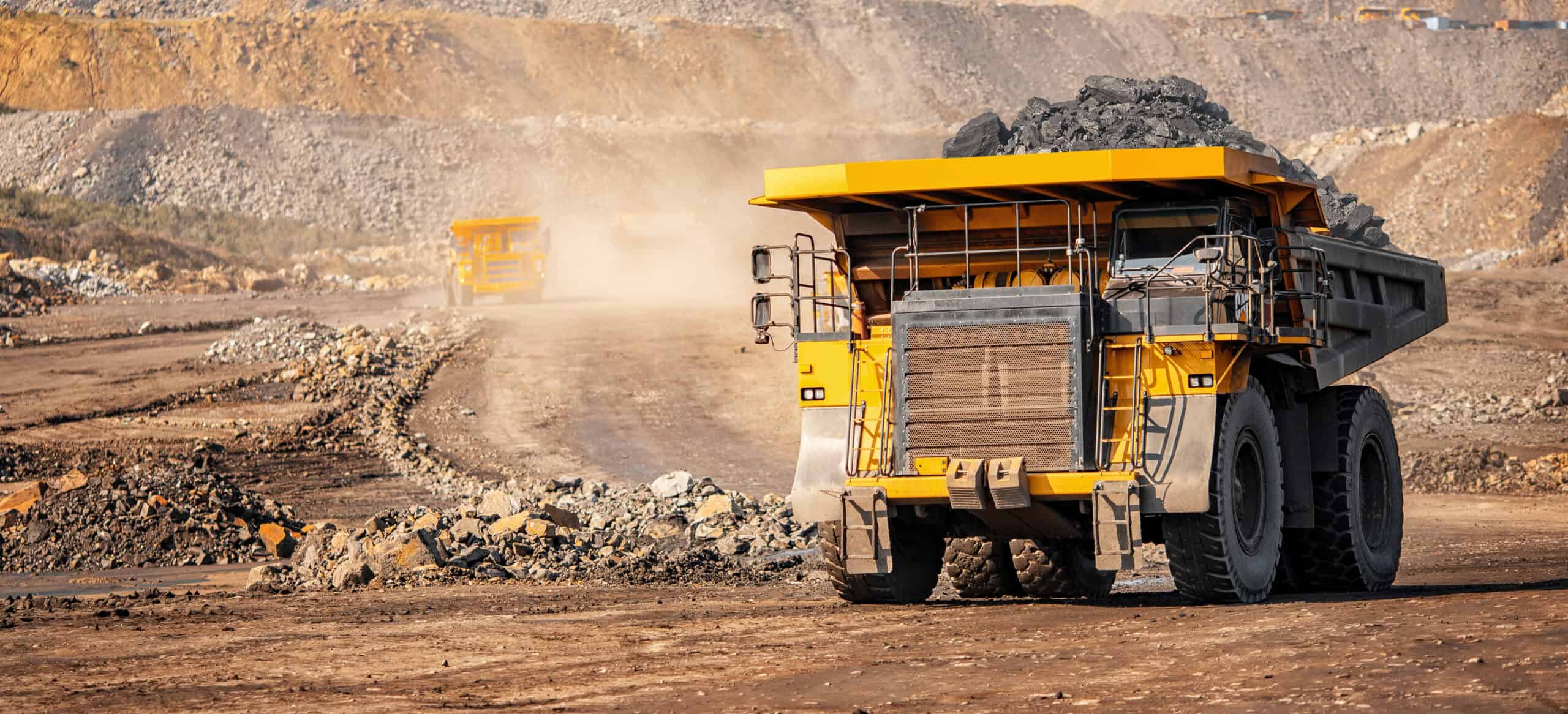
Mining doesn’t happen in easy places. Operations are often isolated, infrastructure is limited, and communication lags are the norm. Yet, in today’s volatile and high-pressure environment, supply chain speed, precision, and agility are more critical than ever.
The challenge? Many mining companies are still making critical decisions without a clear, real-time picture of what’s happening across their network. And nowhere is this more evident — or more dangerous — than in remote site operations.
Operating in remote environments introduces inherent complexity:
These conditions magnify one of the most dangerous dynamics in a modern supply chain: decision-making in the dark.
When operational data is delayed, disconnected, or invisible:
📉 Industry Insight: Mining companies operating without integrated site-level visibility report 20–30% higher logistics costs and 40% more unplanned rescheduling events, according to BCG and McKinsey studies.
Real-time visibility is not just a technology feature — it’s a core capability for any modern mining operation.
It goes beyond tracking. It enables:
Without this kind of visibility, operations remain reactive — always one step behind disruption.
1. Risk Reduction in Remote Environments
Unexpected changes — a blocked haul road, a port bottleneck, a supplier delay — don’t need to become emergencies. Real-time visibility turns surprises into manageable exceptions.
2. Faster Time-to-Action
With instant access to live data, planners and operations leaders can make high-stakes decisions in hours, not days. This is essential when managing dynamic markets or strict service-level agreements.
3. Better Asset and Resource Utilization
Mining assets — trucks, loaders, trains, conveyors — are capital-intensive. When you can see where bottlenecks and idle time exist in real time, you can optimize flow and reduce cost-per-ton.
4. Improved Forecast Accuracy and Scheduling
Visibility doesn’t just help in the moment — it strengthens the planning process. With accurate site-level data feeding into forecasting and logistics models, companies build smarter schedules and tighter demand plans.
🛠️ Callout: In a recent benchmarking project, companies with mature visibility capabilities achieved 25% fewer shipment delays, 30% faster planning cycle times, and significantly lower emergency freight costs compared to peers without integrated views.
Progressive mining firms are moving beyond static spreadsheets and siloed reports. They’re adopting advanced tools and workflows to:
This isn’t about “more reports” — it’s about building a nervous system that can sense, respond, and adapt.
In mining, distance is unavoidable — but disconnection is a choice. Every moment without visibility is a moment where cost, time, and trust can be lost.
Companies that invest in real-time visibility aren’t just gaining efficiency — they’re building a structural advantage. They see risks before they escalate. They make decisions faster. They serve customers with confidence.
And in an industry that’s under pressure from every direction — that visibility could be the edge that makes all the difference.
📚 Citations & Sources
